Runway alignment
An Indiana project record documents runway rail alignment correction coordinated with engineering. The record connects an alignment issue with corrective field work and engineering involvement.
Runway alignment and repair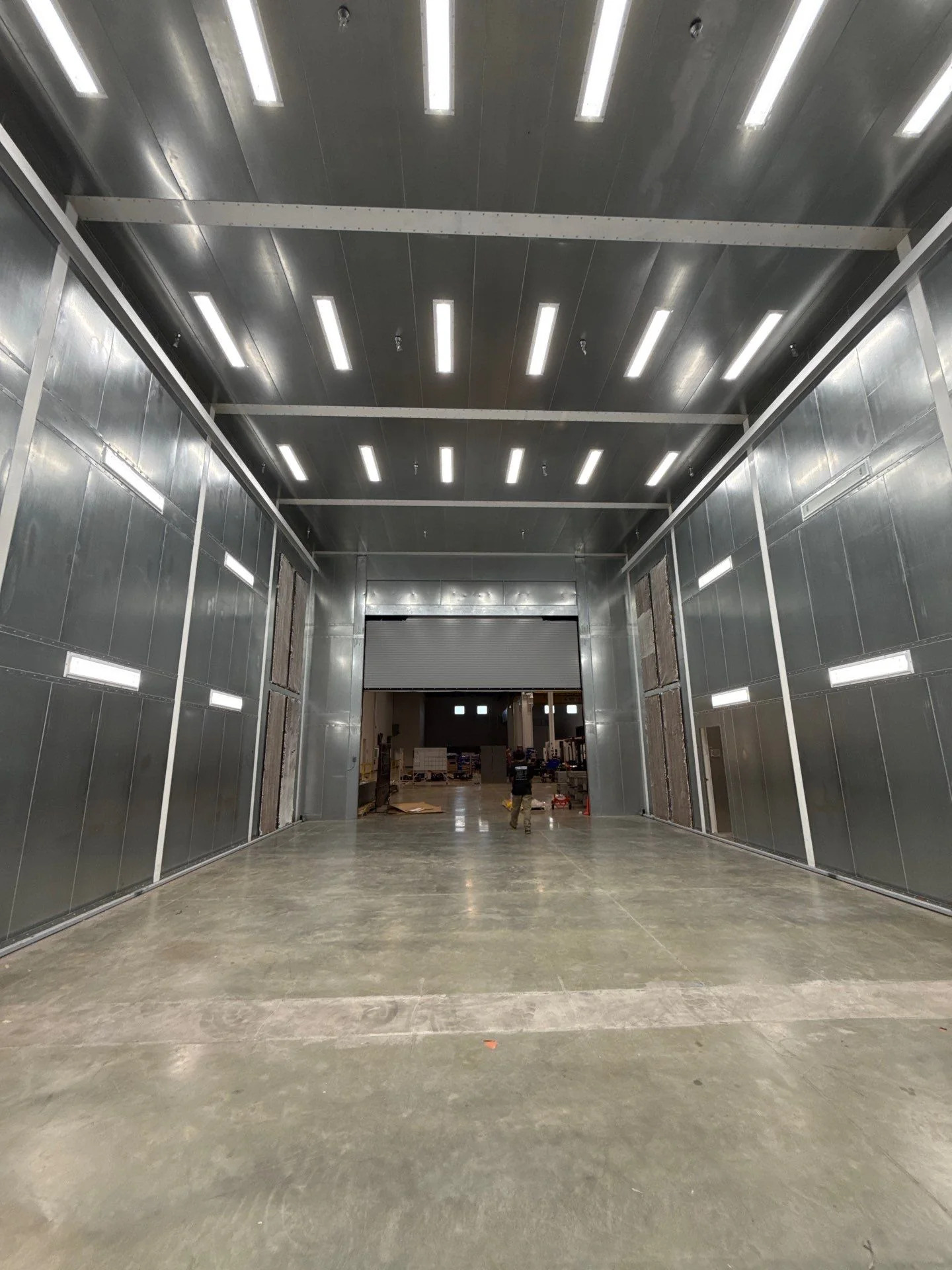
Complex equipment. Demanding environments. IMH brings the field experience to connect every part of your installation.
Cranes, conveyors, finishing & steel
Scope, access, sequence & handover
Complete systems & supplied packages
From a single equipment package to a coordinated production installation, we connect the drawings to the realities of your plant.
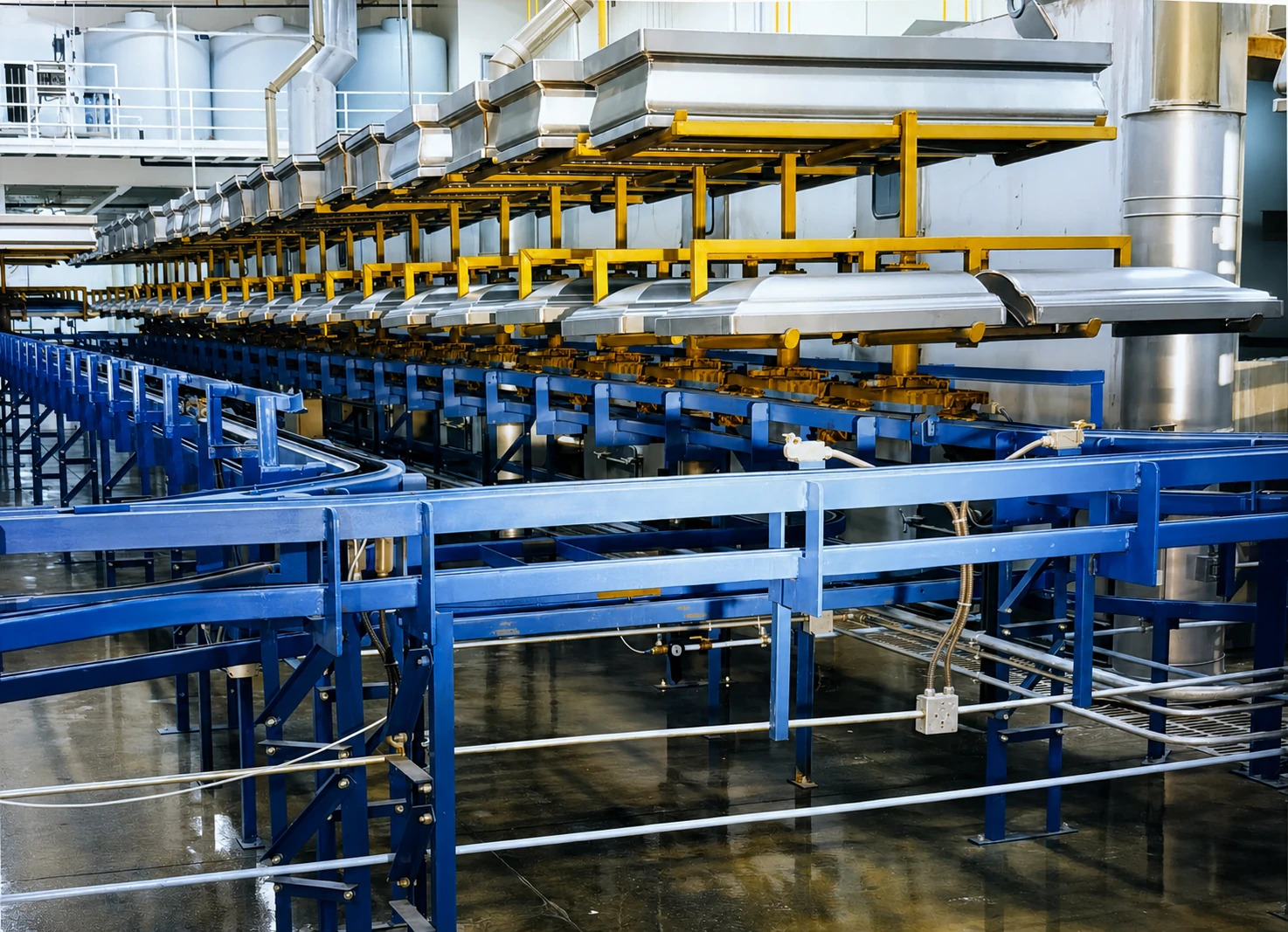
From supplied conveyor packages to complete overhead systems, bring the track, carriers, supporting structure, and production interfaces together in the field.
Overhead equipment · Field layout · Support interfaces
Conveyor installationA capable crew needs a clear plan. We bring equipment responsibilities, site readiness, and the production window into the same conversation.
Review equipment drawings, supply boundaries, and site conditions. Establish who owns engineering, controls, utilities, testing, and startup.
Connect delivery order, staging, rigging access, and work-area separation to the production window and site-readiness requirements.
Coordinate assembly, placement, and equipment interfaces against the approved scope. Route field changes through the project team.
Define mechanical completion, inspection, and any agreed testing or commissioning activities as distinct milestones, each with an owner.
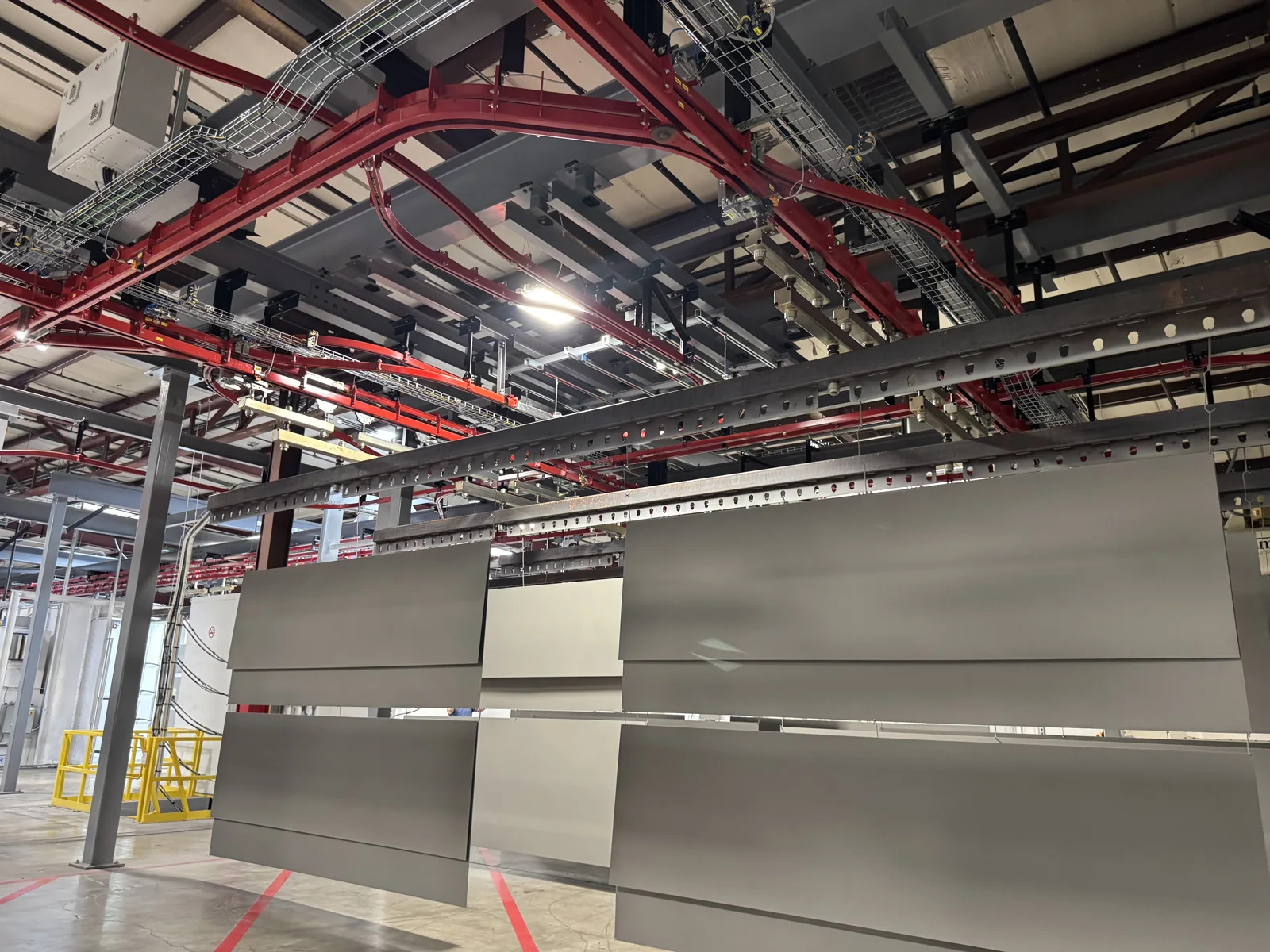
Power-and-free conveyor installation, field layout coordination, and overhead equipment integration.
IMH role: installation. Design and equipment supplied by others.Equipment removal and replacement, field modifications, and electrical integration within an existing facility.
Explore the replacement projectPut experienced field installation behind your equipment. IMH protects your project information and keeps commercial follow-up with your team.
Our installation-partner commitmentNo solicitation or direct quoting to your customer.
Scope changes and commercial follow-up go through you.
Communication channels are agreed in advance. Project publicity requires permission.
Start with the equipment and scope. You do not need to share your customer’s identity to begin.
Explore the field scope, prepare for a shutdown, or discuss equipment that needs attention.
Installation scope checklistDefine what will be checked, who owns each check, and how findings will be resolved. These examples from IMH field records show that approach in practice; customer and job details remain confidential.
An Indiana project record documents runway rail alignment correction coordinated with engineering. The record connects an alignment issue with corrective field work and engineering involvement.
Runway alignment and repairA Georgia project record documents final alignment inspection and a four-hour, no-load run around the complete conveyor loop. A no-load check is one defined activity; it does not establish loaded performance or certification.
Conveyor installationIdentify the required inspections, operating checks, documentation, open-item review, and acceptance responsibilities in the project scope. Requirements depend on the equipment and the agreed work.
Use the installation scope checklistTell us what is being installed, where it needs to go, and when the work needs to happen. We’ll help define the field plan.
Plan your installation Or call (812) 363-1819