
Bridge Crane Installation and Runway Systems
Bridge crane installation and runway systems planned around support steel, rail alignment, rigging, electrification, controls, testing, and commissioning.
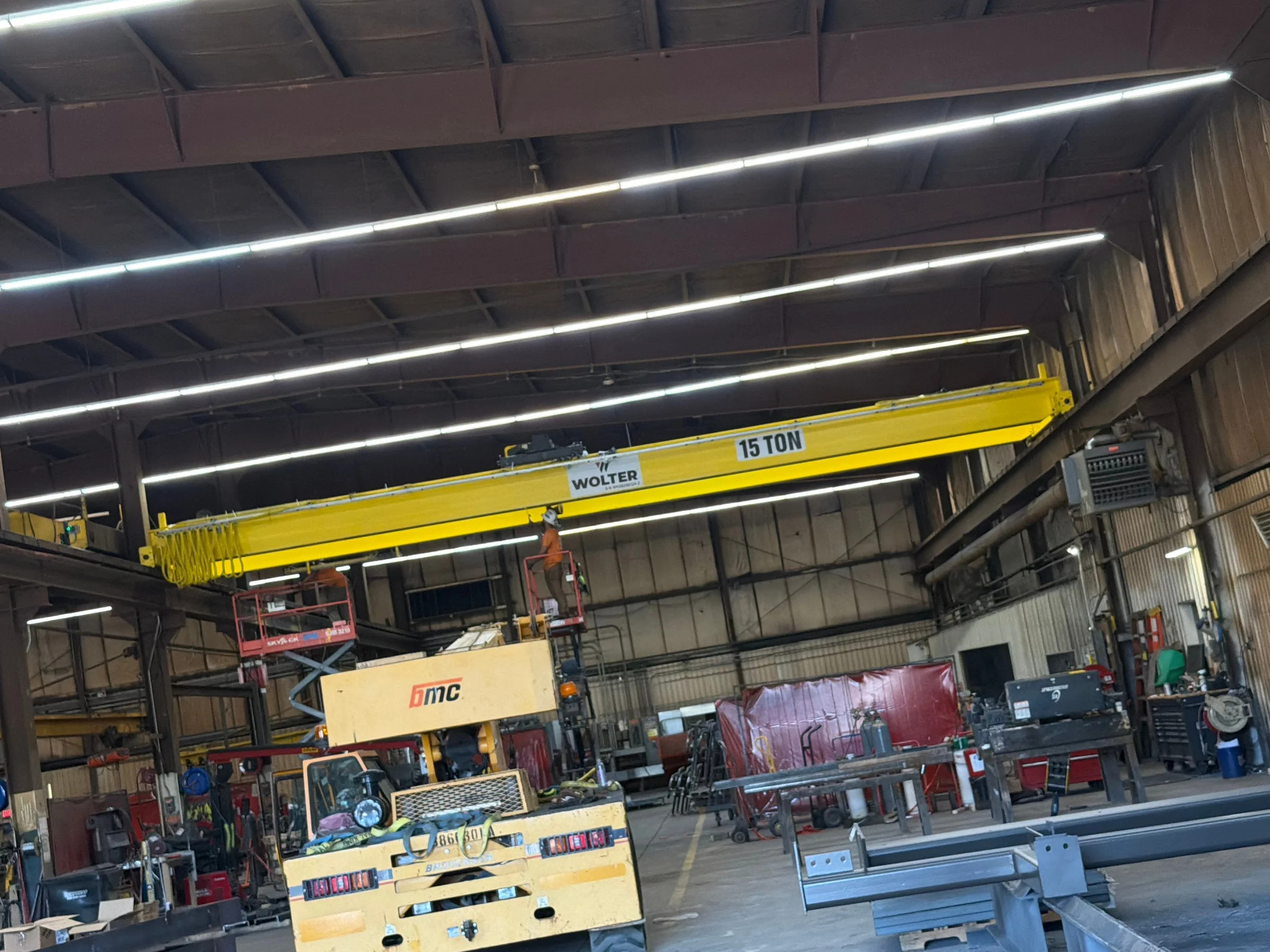
Bridge crane placement at runway height during the Lejeune installation.
Lejeune four-crane replacementKnow who owns every interface.
Build the work around the site.
Agree what completion includes.
Your project / Next step
Define your crane and runway installation scope
For plant owners, integrators and OEMs preparing a new installation or replacement. Integrators can provide their own team’s contact information; customer identity is not required.
Review IMH’s crane replacement workUseful details for the first conversation
- Crane specification, drawings and equipment delivery status
- Runway, support steel and existing site conditions
- Plant location, access restrictions and shutdown window
Share what you know. Leave unknown details open.
Email IMH salesBring clarity to the work.
Designed for the application
Bridge crane installation services and runway system planning around capacity, wheel loads, support structure, rail alignment, rigging access, electrical coordination, commissioning, and startup needs.
A Crane Is Only As Good As Its Runway Installation
Bridge crane installation is not just setting a crane in the air. The runway, support structure, rail alignment, electrification, rigging access, controls, commissioning, and startup path decide whether the crane travels correctly after the install.
Rail alignment, column placement, bracing, end stops, clearances, foundations, runway beams, wheel loads, and support steel affect crane travel and long-term performance. IMH reviews those details before treating the crane installation scope as ready.
Bridge Crane Installation Priorities
Existing steel, freestanding columns, connections, bracing, foundations, and wheel loads must be reviewed before installation.
Truck access, lifts, staging, bridge placement, hoist setting, barricades, and production constraints shape the field plan.
Rail elevation, span, straightness, end stops, electrification, controls, and commissioning affect travel, wheel wear, and handoff.
Installation Sequencing Matters
Some bridge crane installation projects can be completed during normal production. Others require weekend shutdowns, staged steel delivery, preassembly, special rigging, rail alignment work, or electrical coordination before the crane can be tested.
IMH reviews truck access, staging areas, lift method, barricades, power delivery, controls, runway alignment, commissioning, and startup early so the install is not planned as an afterthought.
Bridge Crane Installation Inputs
These inputs help define the runway, support approach, crane installation plan, electrical scope, and startup path.
| Input | Why it matters |
|---|---|
| Capacity | Determines bridge, hoist, end trucks, wheel loads, runway loads, and structural review. |
| Span and runway length | Sets hook coverage, bay fit, rail length, end stops, and support layout. |
| Building structure | Determines building-supported versus freestanding runway options and whether additional bracing or foundations are needed. |
| Runway rail and alignment | Rail clips, elevation, straightness, end approach, and runway survey data affect travel quality. |
| Rigging access | Controls how the bridge, runway sections, hoist, lifts, and steel can be placed. |
| Electrical requirements | Coordinates conductor bar or festoon power delivery, controls, disconnects, and startup. |
| Commissioning requirements | Identifies the applicable inspections, operational and rated-load tests, controls checks, documentation, and handoff responsibilities for the selected crane and installation scope. |
Spanco Ceiling Mounted ALU-Track Bridge Cranes, Manual 103-0033, Rev 08/14
Bridge Crane Installation Checklist
These details prevent avoidable field surprises before runway steel, bridge steel, hoist, and electrification arrive.
Create reliable hook coverage with runway support that fits the building and can be installed cleanly.
- Column layout: Confirms support locations, runway length, span, and hook coverage.
- Overhead obstructions: Lights, duct, utilities, sprinkler lines, doors, and process equipment may conflict.
- Floor and foundation: Important for freestanding runway columns, anchors, base plates, and equipment access below.
- Shutdown window: Allow time for installation, alignment, power connections, required inspections and tests, adjustments, and agreed handoff.
Support Layout Should Not Turn Into A Column Maze
Freestanding runway systems and support steel need to be planned around the floor below them. Excess columns can limit equipment movement, complicate product flow, and create avoidable obstacles for maintenance teams.
IMH plans support steel and runway layouts to balance strength, access, appearance, and future flexibility. Where bolt-together structural design is appropriate, it can help maintain a cleaner install and give the customer a better path for later changes.
Plan The Installation Before The Crane Arrives
Plan the crane, runway, rigging, power, controls and agreed handover responsibilities together before equipment arrives.
Bridge Crane Installation Planning
IMH’s documented overhead crane and installation background includes large-capacity crane project experience and nationwide field credibility.
Runway planning is treated as a core strength because support layout, rail alignment, access, electrification, commissioning, and installation details affect crane performance for years.
Bridge crane installation is the difference between a crane that is placed and a crane that performs.
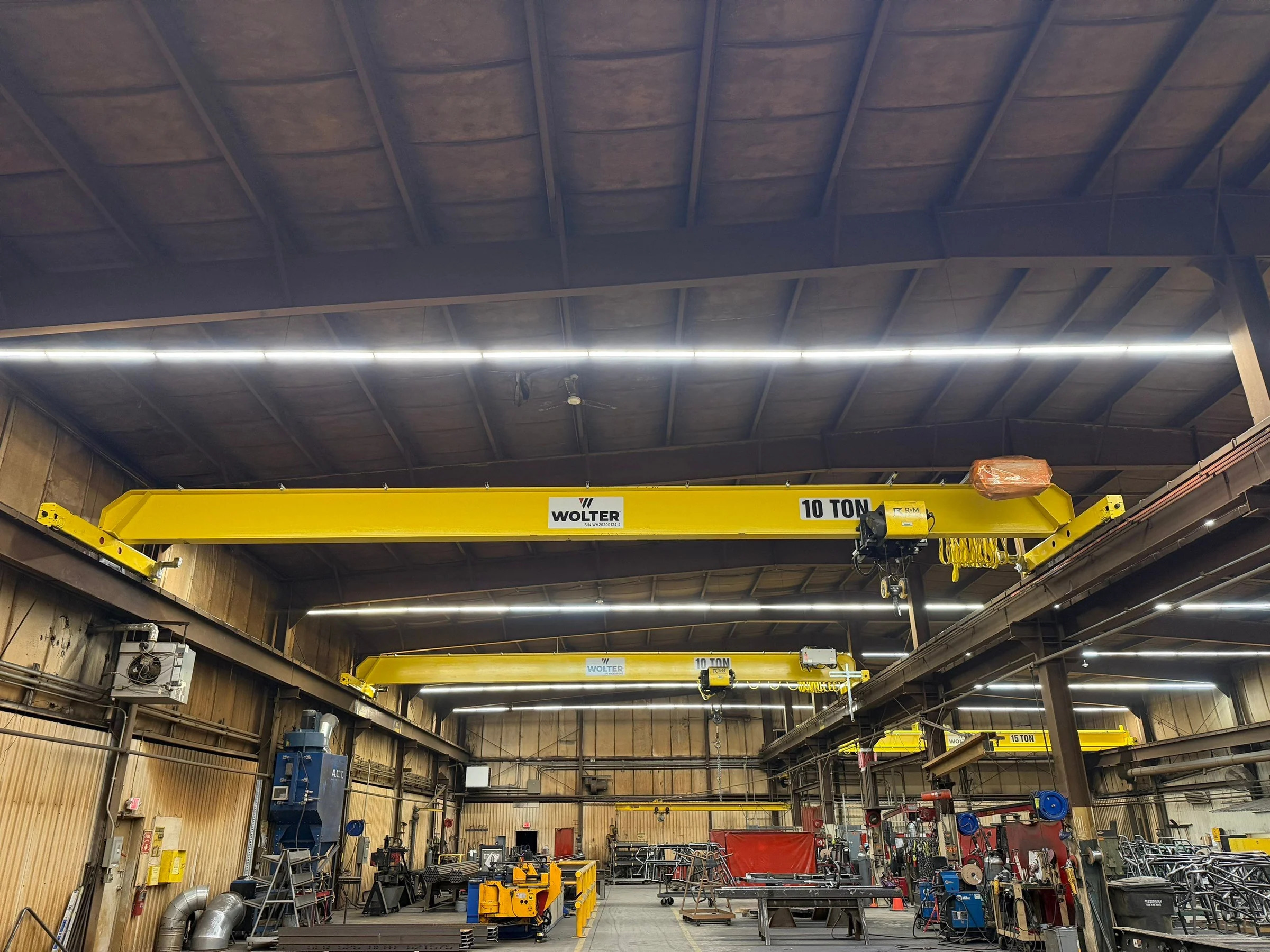
Four Cranes. One Coordinated Replacement.
Removal and replacement of two 15-ton double-girder and two 10-ton single-girder bridge cranes, with field modifications and electrical integration.
- IMH responsibility
- Field installation & replacement
A field scope that fits.
Define delivery, access, assembly, utilities, and handover with the project team.
Bring us the lift.
Let’s plan the whole project.
Start with what you lift, where it needs to go, and your project location. Photos, a rough layout, or an existing crane specification help. You can leave unknown details open.
Discuss my crane project Or call (812) 363-1819