

Warehouse & Distribution Material Handling
Warehouse and distribution material handling support for vertical conveyors, floor conveyor tie-ins, installation work, equipment movement, and selective lifting needs.
Warehouse Support Without Losing Focus
Warehousing and distribution can be a valid IMH conversation when the project involves vertical movement, conveyor installation, equipment installation, floor conveyor tie-ins, mezzanine access, or selective lifting.
IMH keeps this topic practical and bounded around projects that have a clear material path, a real installation need, and a useful connection to broader industrial material handling work.
Where This Page Fits
Vertical Transfers
Move pallets, carts, bins, or cartons between floor, mezzanine, and platform levels.
Conveyor Tie-Ins
Support floor conveyor or accumulation conveyor work where it connects to a larger project.
Installation Work
Plan access, staging, anchoring, power, controls, and startup around facility operations.
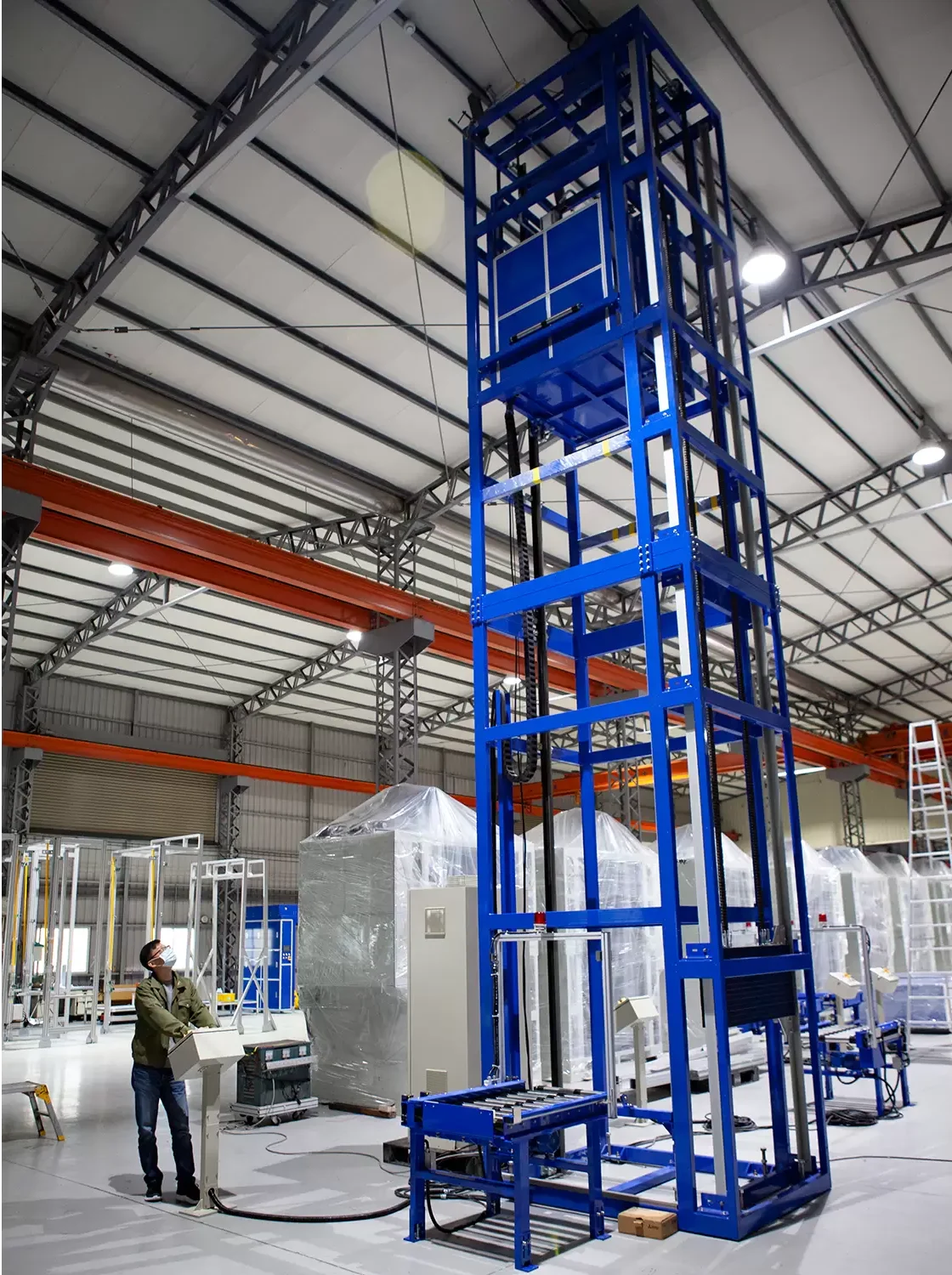
Keep The Warehouse Conversation Practical
Not every general warehouse conveyor search is the right fit for IMH. The stronger fit is project-based work: vertical conveyors, installation, retrofit, equipment setting, lift access, and tie-ins to existing operations.
That keeps this page useful to buyers while preserving SEO emphasis for the stronger conveyor, crane, and installation pages.
Start With A Buildable Plan
Before budget, downtime, or engineering time is committed, the right project details need to be clear. IMH connects the desired outcome with the field conditions that decide whether the system can be installed cleanly and perform reliably after startup.
That means collecting photos, drawings, measurements, production goals, safety requirements, shutdown limits, and maintenance concerns early. It also means explaining tradeoffs in plain language: what should be engineered now, what can be phased later, what needs structural review, and what information is still missing before a final recommendation is responsible.
Warehouse Project Inputs
These details help determine whether IMH is the right fit for the material handling need.
| Input | Why it matters |
|---|---|
| Product handled | Pallets, cartons, bins, carts, fixtures, and irregular loads affect equipment choice. |
| Movement path | Defines whether the need is vertical transfer, floor conveyor, equipment move, or installation support. |
| Levels and landings | Important for vertical conveyor layout, gates, guarding, and access. |
| Throughput | Separates low-frequency material lift needs from higher-speed conveyor automation. |
| Existing operations | Shows dock, aisle, mezzanine, rack, conveyor, and forklift constraints. |
| Installation access | Defines staging, lifts, shutdown timing, power handoff, and startup. |
Best-Fit Warehouse Work
IMH is strongest when the warehouse or distribution need connects to a clear industrial material handling scope.
Keep Warehouse Movement Practical
Warehouse support is most useful when the scope is specific: vertical transfer, floor conveyor tie-in, equipment installation, retrofit, or selective lifting.
IMH keeps the conversation focused on buildable work instead of broad automation claims that do not match the project.
The Work IMH Is Built Around
IMH Systems is focused on engineered movement overhead, reliable lifting, and field execution inside real manufacturing plants. Overhead conveyors, bridge cranes, and service or installation work remain the center of that story, while secondary equipment is included only where it helps solve the larger project.
Buyers get practical answers instead of generic product language: what details matter, what decisions affect the installed system, what tradeoffs need review, and when a project is ready for a deeper conversation.
For warehouse and distribution support, that means reviewing whether the need truly fits IMH’s strengths: vertical movement, conveyor installation, floor conveyor tie-ins, equipment setting, or broader material handling installation.
Qualified projects move toward a practical review while the website stays focused on overhead conveyors, bridge cranes, and installation.
Warehouse Support With Clear Boundaries
IMH is a strong fit for warehouse and distribution projects that involve vertical movement, equipment setting, installation, retrofit, or tie-ins to larger industrial systems.
That practical boundary helps buyers quickly understand whether IMH is the right team to review the work.
The right warehouse project has a clear material path, a real installation plan, and a practical reason for IMH to review it.
Frequently Asked Questions
Does IMH do warehouse conveyor work?
IMH can support warehouse-related material handling when it fits vertical conveyors, installation, floor conveyor tie-ins, or broader industrial equipment scope.
Does IMH design full warehouse automation systems?
IMH is strongest on practical industrial scope such as vertical movement, floor conveyor tie-ins, equipment setting, retrofit, and installation support.
When is vertical conveyor useful?
When material needs controlled movement between floor, mezzanine, platform, or process levels.
What should I send?
Photos, product details, movement path, levels, throughput, existing equipment, and installation timing.
Can IMH install equipment in active facilities?
Yes. Active-facility work requires access, staging, safety, power, and startup planning.
Ready To Review Warehouse Material Movement?
Send IMH your photos, product details, levels, movement path, and installation timing.