
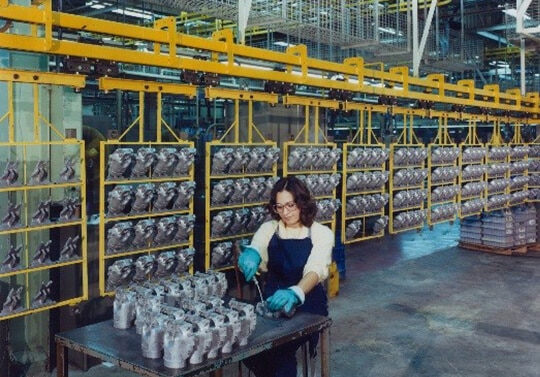
Overhead Conveyor Installation Services
Overhead conveyor installation services for power and free systems, I-beam monorails, enclosed track conveyors, support steel, tie-ins, controls coordination, and startup work inside active manufacturing plants.
Conveyor Installation Starts Before The Crew Arrives
A conveyor installation succeeds when the route, support steel, controls, access, safety plan, shutdown window, and startup sequence are understood before materials land on site.
IMH plans conveyor installation around real plant conditions: existing equipment, overhead obstructions, aisles, utilities, production flow, maintenance access, and the work required to tie the system into the larger operation.
Conveyor Installation Work IMH Supports
Overhead Conveyor Installation
Track, hangers, support steel, drives, take-ups, carriers, load zones, unload zones, and field fit-up.
Power And Free Installation
Carrier control, stops, switches, transfers, accumulation zones, controls coordination, and process timing.
Retrofit And Tie-Ins
Replacement sections, route changes, demolition, controls updates, and phased work around existing production.
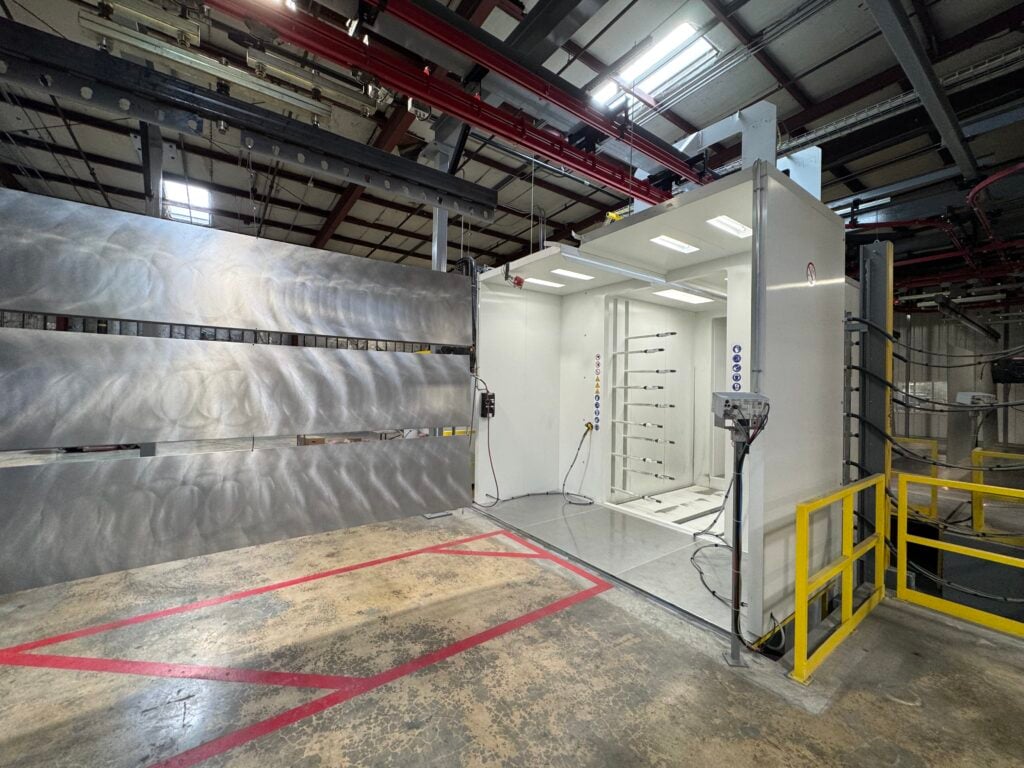
Field Conditions Decide The Install Plan
The easiest conveyor layout on paper may be difficult in the field if lifts cannot reach the route, utilities block support steel, or production cannot release the area long enough for tie-ins.
IMH reviews access, lift equipment, preassembly options, staging, safety permits, electrical handoff, and startup needs so conveyor installation is planned as a complete field scope.
Start With A Buildable Plan
Before budget, downtime, or engineering time is committed, the right project details need to be clear. IMH connects the desired outcome with the field conditions that decide whether the system can be installed cleanly and perform reliably after startup.
That means collecting photos, drawings, measurements, production goals, safety requirements, shutdown limits, and maintenance concerns early. It also means explaining tradeoffs in plain language: what should be engineered now, what can be phased later, what needs structural review, and what information is still missing before a final recommendation is responsible.
Conveyor Installation Inputs
These details help IMH define the route, field work, schedule, and startup plan.
| Input | Why it matters |
|---|---|
| Conveyor type | Identifies overhead, power and free, I-beam, enclosed track, hand-pushed, retrofit, or hybrid overhead scope. |
| Layout and photos | Show the route, columns, utilities, equipment, aisles, doors, and staging constraints. |
| Load and carrier details | Affect support steel, track, trolley, carrier spacing, and process clearance. |
| Controls and power scope | Coordinates drives, sensors, stops, interlocks, operator stations, and electrical handoff. |
| Shutdown window | Defines tie-ins, demolition, manpower, and phased installation options. |
| Access and lift plan | Determines whether materials, lifts, and crews can reach the work safely. |
| Startup expectations | Clarifies dry runs, loaded testing, adjustment, documentation, and punch-list closure. |
Before A Conveyor Installation Quote
Better starting information reduces guesswork and helps separate a rough idea from a buildable installation plan.
Support Steel Is Part Of The Installation
Conveyor support steel can make the installation easier or create problems for years. Column placement, bracing, anchor locations, clearances, and field connection details affect floor access, fit-up quality, and future changes.
IMH reviews support structure as part of the conveyor installation scope so the finished system does not solve one movement problem while creating a new floor obstruction problem.
The Work IMH Is Built Around
IMH Systems is focused on engineered movement overhead, reliable lifting, and field execution inside real manufacturing plants. Overhead conveyors, bridge cranes, and service or installation work remain the center of that story, while secondary equipment is included only where it helps solve the larger project.
Buyers get practical answers instead of generic product language: what details matter, what decisions affect the installed system, what tradeoffs need review, and when a project is ready for a deeper conversation.
For conveyor projects, that means reviewing load weight, carrier behavior, drive and take-up locations, controls, support steel, access below the line, maintenance points, and shutdown phasing before recommending a path.
A strong system can be quoted responsibly, installed cleanly, and serviced after startup.
Overhead Conveyor Installation Confidence
IMH has documented overhead conveyor, power and free, I-beam monorail, modernization, custom carrier, and installation work in manufacturing environments.
That project background helps IMH connect conveyor equipment decisions with the field realities that decide whether the system can be installed cleanly and trusted after startup.
A conveyor install is successful when the route, structure, controls, startup, and plant constraints all agree.
Frequently Asked Questions
What conveyor systems can IMH install?
IMH focuses on overhead conveyors, power and free systems, I-beam monorails, enclosed track conveyors, retrofit work, support steel, and related material handling equipment.
Can conveyor installation be phased?
Often, yes. Phasing depends on access, tie-ins, production constraints, safety requirements, and startup needs.
Does IMH install conveyors in active plants?
Yes. Active-plant work requires clear safety planning, access review, staging, and shutdown coordination.
What should I send for a conveyor install quote?
Send layout, photos, load details, conveyor type, route, controls needs, and target shutdown window.
Does installation include startup?
Startup support should be defined during planning and may include dry runs, loaded testing, adjustments, and punch-list closure.
Ready To Plan Conveyor Installation?
Send IMH your layout, photos, conveyor scope, load details, controls needs, and target installation window.