Overhead Crane Service and Inspection
Overhead crane service and inspection planning for bridge cranes, hoists, runways, controls, electrification, documentation, and repair decisions.
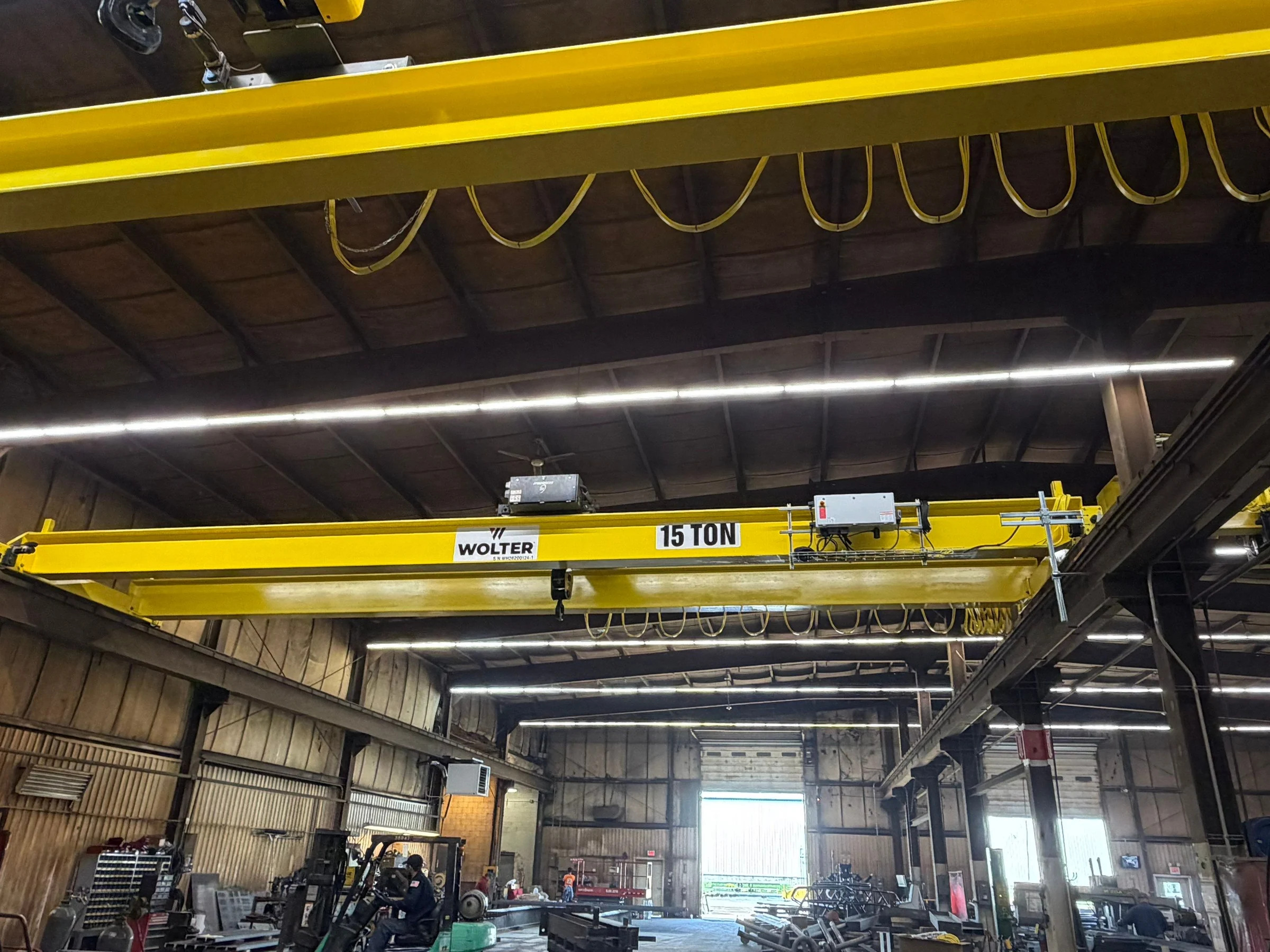
Installed crane and electrification at Lejeune · Equipment context.
Lejeune four-crane replacementKnow who owns every interface.
Build the work around the site.
Agree what completion includes.
Bring clarity to the work.
Inspection Leads To Better Crane Decisions
Crane inspection and service decisions need to lead to a clear next step: monitor, repair, retrofit, modernize, replace, or coordinate a credentialed inspection when the scope requires it.
IMH supports crane service work around hoists, controls, electrification, runway concerns, visible wear, access constraints, repair planning, modernization, and installation follow-through while keeping required inspection credentials and scope clear.
Service Review Areas
Lifting behavior, noise, age, service access, and duty cycle can shape the service path.
Rail, alignment, supports, end stops, wheel wear, and travel symptoms need review.
Pendants, radios, disconnects, conductor bar, festoon, and panels affect reliability.
Use Findings To Plan The Next Step
An inspection report or service finding is most useful when it leads to a clear decision: monitor, repair, retrofit, modernize, or replace.
IMH helps connect crane condition to practical field work, including shutdown planning, access, parts path, electrical coordination, runway work, and startup checks.
Crane Service And Inspection Inputs
These details help IMH understand the service need and route it responsibly.
| Input | Why it matters |
|---|---|
| Crane type and capacity | Identifies equipment, hoist, runway, duty, and likely documentation needs. |
| Inspection report | Shows documented findings, required follow-up, operating limits, and urgency. |
| Symptoms | Travel issues, hoist behavior, control problems, noises, wheel wear, and downtime history guide review. |
| Photos | Help review access, visible wear, controls, runway, electrification, and surrounding constraints. |
| Service window | Defines whether work can be planned during production or a shutdown. |
| Certification needs | Clarifies whether qualified or certified inspection credentials or third-party coordination are required. |
Common Inspection-Driven Follow-Ups
Service findings often expose a larger crane, runway, or modernization decision.
Turn inspection and service findings into a responsible repair, modernization, or replacement path.
Service Access Is Part Of Reliability
A crane that is difficult to inspect or service will often become more expensive to own. Access, clearances, power routing, parts availability, and shutdown timing all shape the service path.
IMH reviews service needs with field execution in mind so repair conversations do not stop at a checklist.
Service And Inspection Decision Support
Crane service planning starts with equipment condition, symptoms, available documentation and a clearly defined inspection or repair scope.
Inspection findings help define whether modernization, runway repair, or hoist and control work is needed.
The value of inspection is the quality of the next decision.
How often should cranes be inspected?
Inspection frequency depends on use, environment, duty, applicable requirements, and plant policy. Frequent or severe-service cranes usually need more disciplined review than occasional maintenance cranes.
What gets reviewed on a crane?
Typical review areas include hoist, trolley, bridge, runway, controls, electrification, end stops, visible wear, and documentation.
Can inspection findings lead to modernization?
Yes. Findings may point to repair, retrofit, modernization, or replacement.
What should I send?
Inspection reports, photos, crane details, symptoms, service history, and timing needs.
Can IMH review runway issues?
Yes. Runway condition, alignment, supports, rail, and travel symptoms can be reviewed as part of the crane conversation.
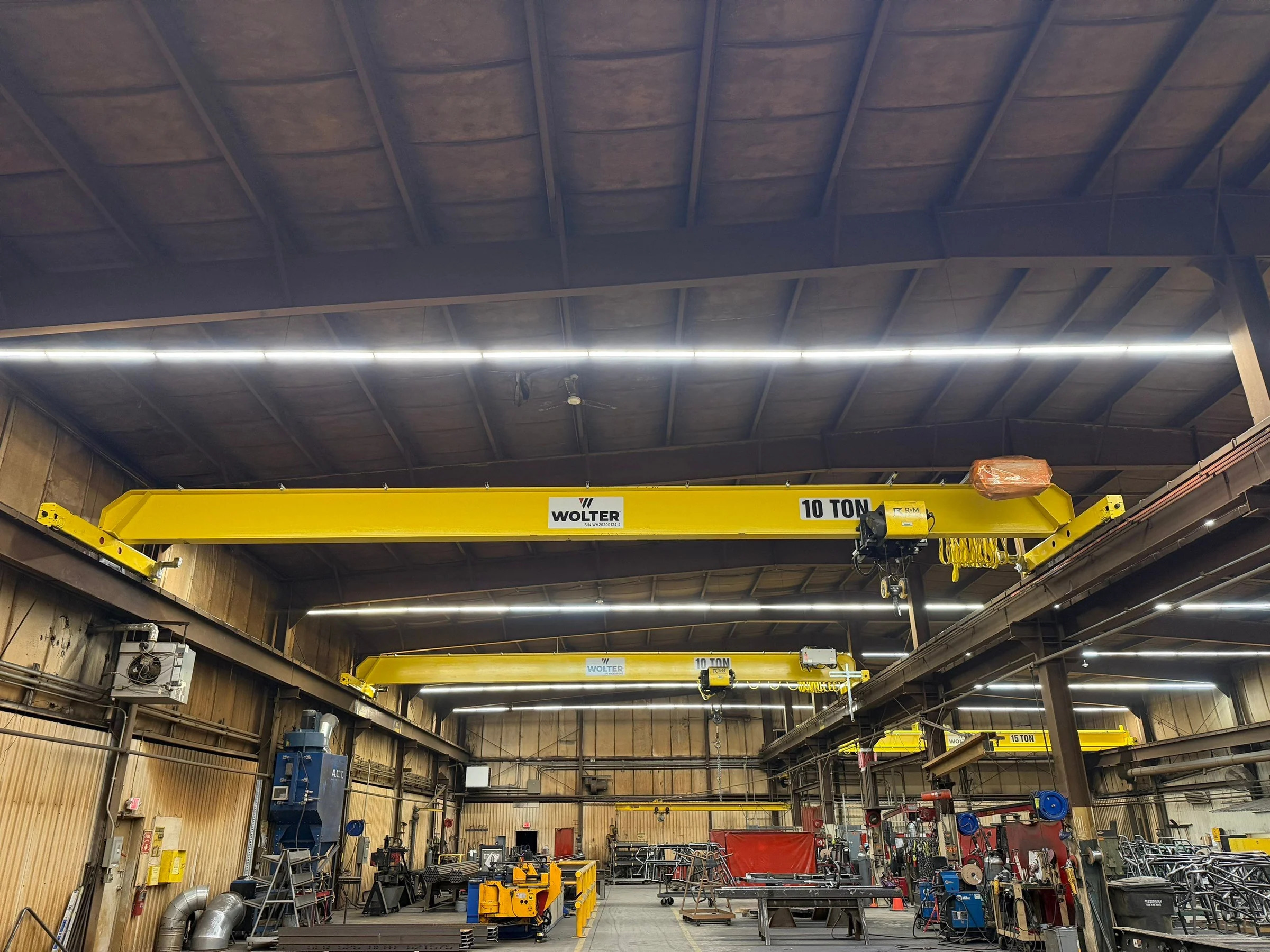
Four Cranes. One Coordinated Replacement.
Removal and replacement of two 15-ton double-girder and two 10-ton single-girder bridge cranes, with field modifications and electrical integration.
- IMH responsibility
- Field installation & replacement
A field scope that fits.
Define delivery, access, assembly, utilities, and handover with the project team.
Tell us what
needs attention.
Share the equipment, symptoms, project location, and production impact. We’ll discuss the service scope and availability. For a time-sensitive need, call directly.
Discuss service Or call (812) 363-1819