
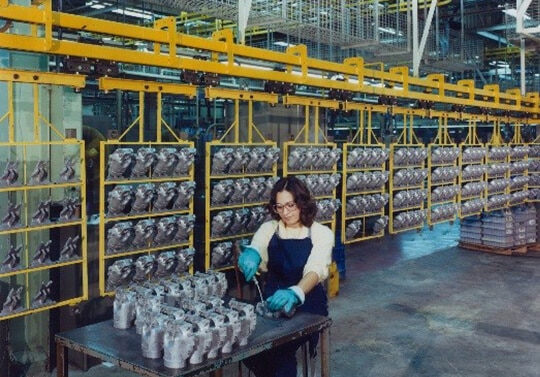
Equipment Commissioning and Startup Support
Commissioning and startup support for conveyor systems, bridge cranes, retrofits, machinery relocation, controls handoff, functional checks, loaded testing, and production restart.
Installation Is Not Finished Until The System Runs
Commissioning and startup turn installed equipment into a system the plant can operate. That means checking mechanical movement, controls handoff, safety devices, clearances, adjustments, operator use, and punch-list items before the system is treated as complete.
IMH plans startup support for conveyor, crane, retrofit, relocation, and installation work so the first production run is not the first real test.
Startup Support Areas
Conveyor Startup
Dry runs, carrier clearance, drive and take-up checks, stop and switch behavior, lubrication, and loaded movement.
Crane Startup
Travel checks, hoist coordination, controls handoff, runway behavior, electrification review, and testing coordination.
Retrofit Handoff
Tie-in review, adjusted settings, punch-list closure, operator feedback, and maintenance notes.
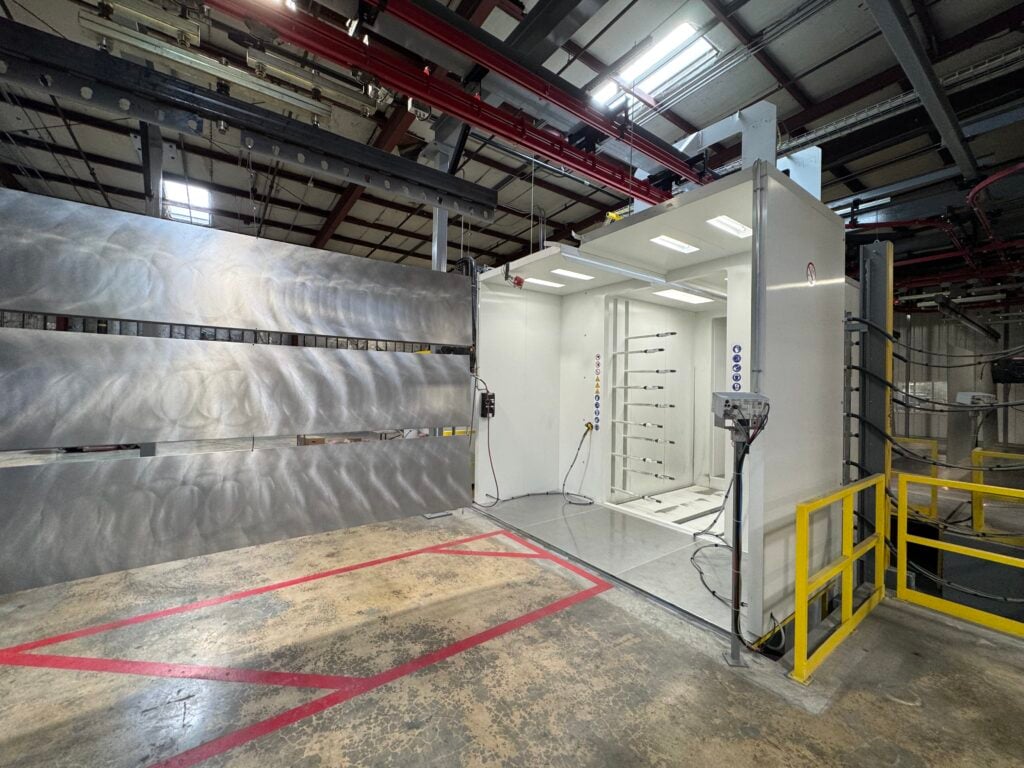
Startup Should Be Planned Before Installation Ends
The crew needs time to verify movement, adjust issues, coordinate controls, and document open items before production restarts.
Startup planning should define who is present, what gets tested, what counts as complete, and how punch-list items are handled after handoff.
Start With A Buildable Plan
Before budget, downtime, or engineering time is committed, the right project details need to be clear. IMH connects the desired outcome with the field conditions that decide whether the system can be installed cleanly and perform reliably after startup.
That means collecting photos, drawings, measurements, production goals, safety requirements, shutdown limits, and maintenance concerns early. It also means explaining tradeoffs in plain language: what should be engineered now, what can be phased later, what needs structural review, and what information is still missing before a final recommendation is responsible.
Commissioning And Startup Inputs
These details help define the startup process and handoff criteria.
| Input | Why it matters |
|---|---|
| Installed equipment scope | Identifies conveyor, crane, machinery, controls, support, and retrofit items to verify. |
| Controls responsibility | Clarifies who owns PLC, panel, sensors, interlocks, VFDs, operator stations, and process equipment handoff. |
| Dry-run steps | Defines movement checks before loaded operation. |
| Loaded-test expectations | Identifies parts, loads, carriers, operators, and process conditions needed for realistic testing. |
| Safety and guarding | Confirms interlocks, guards, lockout points, and operating zones before handoff. |
| Acceptance criteria | Defines what must happen before production restart or project closeout. |
| Punch-list process | Clarifies who tracks, resolves, and approves remaining items. |
Startup Readiness Checklist
Startup support works best when the plant and installation team agree on what complete means.
Startup Connects Mechanical And Controls Work
A conveyor or crane can be mechanically installed and still fail startup if controls, sensors, stops, travel limits, clearances, power, or operator workflow are unresolved.
IMH treats startup as a coordinated handoff between installed equipment, plant operations, controls, safety, and maintenance.
The Work IMH Is Built Around
IMH Systems is focused on engineered movement overhead, reliable lifting, and field execution inside real manufacturing plants. Overhead conveyors, bridge cranes, and service or installation work remain the center of that story, while secondary equipment is included only where it helps solve the larger project.
Buyers get practical answers instead of generic product language: what details matter, what decisions affect the installed system, what tradeoffs need review, and when a project is ready for a deeper conversation.
For conveyor projects, that means reviewing load weight, carrier behavior, drive and take-up locations, controls, support steel, access below the line, maintenance points, and shutdown phasing before recommending a path.
A strong system can be quoted responsibly, installed cleanly, and serviced after startup.
Startup Support Confidence
IMH’s installation, retrofit, conveyor, and crane work all depend on disciplined startup support.
Disciplined startup helps move installed equipment into usable production with fewer surprises during the first shift back online.
The installation is only as good as the startup that proves it.
Frequently Asked Questions
What is equipment commissioning?
Commissioning is the process of verifying that installed equipment, controls, safety devices, and operating behavior are ready for use.
What is the difference between dry run and loaded test?
A dry run checks movement without production load. Loaded testing checks behavior with representative parts, carriers, or loads.
Does IMH handle controls?
Controls responsibility depends on scope, but controls handoff should be discussed early for any startup plan.
When should startup planning happen?
Startup planning should happen before installation begins, especially when a shutdown restart deadline is involved.
What should I send first?
Send equipment scope, controls expectations, startup deadline, test-load details, and acceptance requirements.
Ready To Plan Startup Support?
Send IMH your installed scope, controls responsibilities, test requirements, and restart timing.