
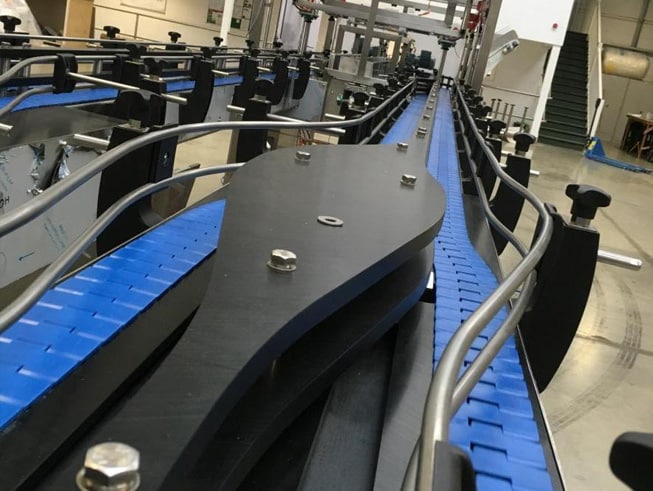
Slat Conveyor Systems
Slat conveyor systems for flat carrying surfaces, heavier loads, fixtures, assembly movement, paced production flow, and applications where roller support is not the right fit.
Slat Conveyor Creates A Supported Moving Surface
Slat conveyor can be useful when the load needs more continuous support than rollers provide, when fixtures need a stable path, or when a flat carrying surface supports the process better than carts or pallets alone.
The right slat conveyor depends on load weight, surface needs, chain, frame, drive, stops, speed, work zones, environment, guarding, and service access.
Slat Conveyor Planning Priorities
Surface Support
A flat moving surface can help support fixtures, irregular bottoms, or loads that do not belong on rollers.
Drive And Chain
Load, duty, speed, starts, and stops shape the drive and chain design.
Service Access
Chains, wear areas, guards, and drives need room for inspection and maintenance.
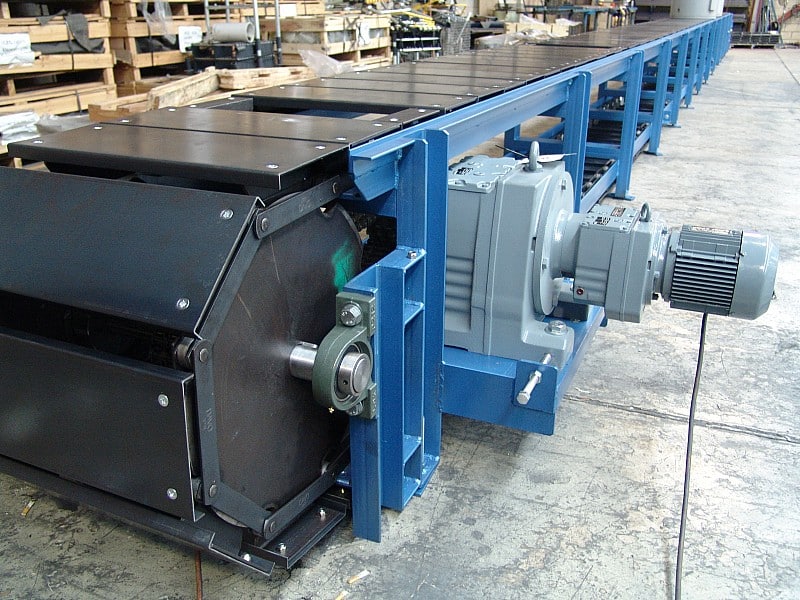
Use Slat Conveyor For The Right Reason
Slat conveyor can support heavy or awkward loads, but it should not be selected just because it looks rugged.
Design references note that slat conveyors can be engineered for very heavy loads and accurate stop/start control, but IMH still verifies the actual product, route, duty, support, controls, and installation constraints before recommending the approach.
Start With A Buildable Plan
Before budget, downtime, or engineering time is committed, the right project details need to be clear. IMH connects the desired outcome with the field conditions that decide whether the system can be installed cleanly and perform reliably after startup.
That means collecting photos, drawings, measurements, production goals, safety requirements, shutdown limits, and maintenance concerns early. It also means explaining tradeoffs in plain language: what should be engineered now, what can be phased later, what needs structural review, and what information is still missing before a final recommendation is responsible.
Slat Conveyor Inputs
These details help define whether slat conveyor fits the process and what the field scope requires.
| Input | Why it matters |
|---|---|
| Load weight and footprint | Defines slat width, frame, chain, drive, and support requirements. |
| Load bottom or fixture | Determines whether a flat moving surface is needed. |
| Work zones | Controls stops, indexing, operator access, guarding, and ergonomics. |
| Speed and duty | Affects drive, chain, wear, controls, and maintenance planning. |
| Environment | Debris, heat, washdown, impact, and contamination affect surface and component choices. |
| Transfers | Coordinates load-on, load-off, lift, turntable, and adjacent conveyor handoff. |
| Installation scope | Plans supports, anchors, guards, power, controls, startup, and service access. |
Where Slat Conveyor Fits
Slat conveyor is strongest when a supported moving platform solves a product or process need.
Service Access Keeps Slat Conveyor Practical
A slat conveyor can carry serious work, but chains, drives, guards, wear areas, and transfer points need accessible layout space.
IMH reviews maintenance access early so the system remains useful after startup.
The Work IMH Is Built Around
IMH Systems is focused on engineered movement overhead, reliable lifting, and field execution inside real manufacturing plants. Overhead conveyors, bridge cranes, and service or installation work remain the center of that story, while secondary equipment is included only where it helps solve the larger project.
Buyers get practical answers instead of generic product language: what details matter, what decisions affect the installed system, what tradeoffs need review, and when a project is ready for a deeper conversation.
For conveyor projects, that means reviewing load weight, carrier behavior, drive and take-up locations, controls, support steel, access below the line, maintenance points, and shutdown phasing before recommending a path.
A strong system can be quoted responsibly, installed cleanly, and serviced after startup.
Slat Conveyor Support
IMH can support slat conveyor planning where a flat, controlled floor-level path fits the larger production or installation goal.
This page keeps slat conveyor available as a support option while the website stays centered on overhead conveyor systems, bridge cranes, and installation expertise.
A slat conveyor should be selected for what the load needs, not just because the route is on the floor.
Frequently Asked Questions
What is a slat conveyor used for?
Slat conveyors provide a moving carrying surface for selected products, fixtures, or loads that need more continuous support.
Can slat conveyors handle heavy loads?
They can be engineered for demanding loads, but capacity depends on load, width, frame, chain, drive, duty, and route.
When is slat better than roller?
When the load bottom, fixture, or process needs more continuous support than rollers provide.
What details are needed?
Load weight, footprint, bottom condition, route, stops, environment, transfers, and photos.
Can IMH install slat conveyors?
IMH can support installation planning when the scope fits the project.
Ready To Review A Slat Conveyor?
Send IMH your load details, route, photos, stop/start needs, and transfer points.