
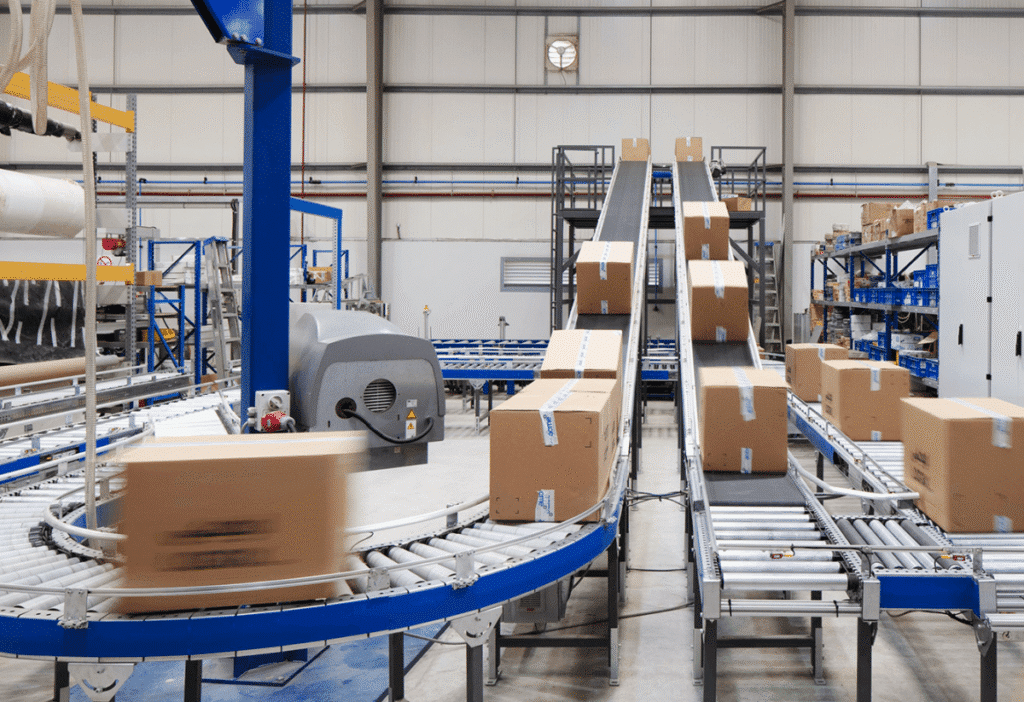
Accumulation Conveyor Systems
Accumulation conveyor systems for controlled buffering, product spacing, live storage, release logic, and transfer timing in floor-level material handling projects.
Accumulation Is A Flow-Control Decision
Accumulation conveyor is useful when product needs to wait, space, release, index, or buffer without stopping the entire upstream process.
The right approach depends on load type, product contact, back pressure, zone control, speed, sensors, stops, merges, transfers, and the downstream equipment that controls the pace.
Accumulation Priorities
Product Protection
Contact pressure, spacing, and stop behavior must protect the product.
Zone Control
Sensors, stops, drives, release logic, and downstream readiness define the system.
System Handoff
Accumulation only helps when upstream and downstream equipment agree on timing.
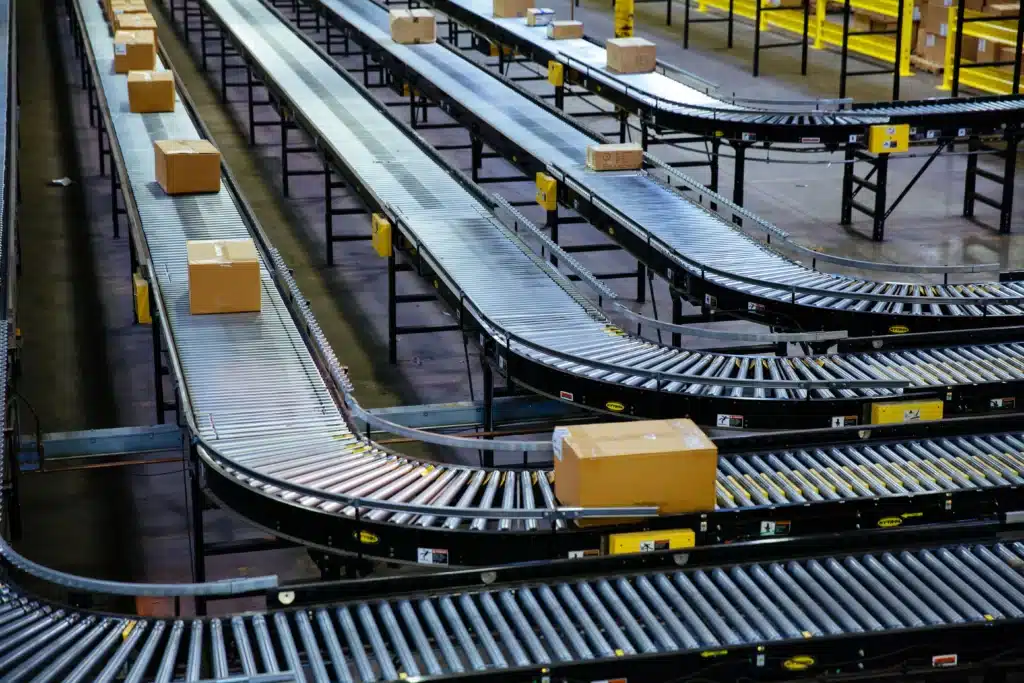
Buffering Without Creating A Jam
Poor accumulation can create the exact problem it is meant to solve: product contact, skewing, blocked transfers, uncontrolled release, or difficult restart after a stop.
IMH reviews the upstream and downstream process together so accumulation supports production timing instead of hiding a larger flow problem.
Start With A Buildable Plan
Before budget, downtime, or engineering time is committed, the right project details need to be clear. IMH connects the desired outcome with the field conditions that decide whether the system can be installed cleanly and perform reliably after startup.
That means collecting photos, drawings, measurements, production goals, safety requirements, shutdown limits, and maintenance concerns early. It also means explaining tradeoffs in plain language: what should be engineered now, what can be phased later, what needs structural review, and what information is still missing before a final recommendation is responsible.
Accumulation Conveyor Inputs
These inputs define whether the system needs zero pressure, minimum pressure, live storage, indexing, or a simpler staging approach.
| Input | Why it matters |
|---|---|
| Product type | Determines allowable contact, spacing, weight, and stability. |
| Buffer time | Defines how much accumulation is needed and where it belongs. |
| Release behavior | Controls slug release, singulation, indexing, zone release, and downstream handoff. |
| Conveyor type | Determines whether roller, belt, pallet, towline, or another section fits the load. |
| Sensors and controls | Coordinates photoeyes, stops, drives, PLC handoff, and fault behavior. |
| Transfer points | Plans merges, diverts, turns, lifts, and equipment interfaces. |
| Safety and access | Keeps operators, maintenance, e-stops, guards, and restart points in view. |
Where Accumulation Helps
Accumulation is strongest when one process needs to keep moving while another process pauses or releases at a different pace.
Controls Make Or Break Accumulation
Accumulation is not just extra conveyor length. Sensors, stops, release logic, speed, product spacing, and downstream communication decide whether the system works.
IMH reviews controls and mechanical layout together so the floor conveyor behaves the way production expects.
The Work IMH Is Built Around
IMH Systems is focused on engineered movement overhead, reliable lifting, and field execution inside real manufacturing plants. Overhead conveyors, bridge cranes, and service or installation work remain the center of that story, while secondary equipment is included only where it helps solve the larger project.
Buyers get practical answers instead of generic product language: what details matter, what decisions affect the installed system, what tradeoffs need review, and when a project is ready for a deeper conversation.
For conveyor projects, that means reviewing load weight, carrier behavior, drive and take-up locations, controls, support steel, access below the line, maintenance points, and shutdown phasing before recommending a path.
A strong system can be quoted responsibly, installed cleanly, and serviced after startup.
Accumulation Conveyor Support
IMH can support accumulation conveyor conversations when buffering is part of a serious material handling or installation project.
The value comes from connecting product behavior, controls, layout, and startup requirements into one practical scope.
Accumulation should make flow more predictable, not just make the line longer.
Frequently Asked Questions
What is accumulation conveyor?
It is conveyor designed to buffer or hold product temporarily before releasing it downstream.
What is zero-pressure accumulation?
It is an approach that limits product-to-product pressure by controlling zones and release behavior.
When do I need accumulation?
When downstream equipment pauses, operators need buffer, product must be spaced, or processes run at different timing.
What details are needed?
Product type, size, weight, allowed contact, buffer time, release behavior, sensors, controls, and transfer points.
Can accumulation be added to an existing line?
Often, but existing space, controls, conveyor type, product behavior, and shutdown timing must be reviewed.
Ready To Review Accumulation Conveyor?
Send IMH your product details, process timing, buffer need, controls expectations, and route photos.