

Manufacturing Material Handling Systems
Manufacturing and fabrication material handling planning for overhead conveyors, bridge cranes, support steel, machine access, installation, retrofit, and plant-floor flow.
Manufacturing Needs Room To Work
Fabrication and manufacturing facilities often need a mix of overhead movement, lifting coverage, floor access, machine access, staging, and maintenance space.
IMH helps compare overhead conveyors, bridge cranes, jib and workstation cranes, vertical conveyors, support steel, installation phasing, and retrofit options around the actual work being done on the floor.
Manufacturing Priorities
Open Floor Access
Protect forklift paths, machine access, maintenance routes, and staging areas.
Lifting Coverage
Bridge cranes, workstation cranes, jib cranes, and gantry cranes should reach the work without cluttering it.
Buildable Installation
Routes, support steel, power, controls, and shutdown work need a field-ready plan.
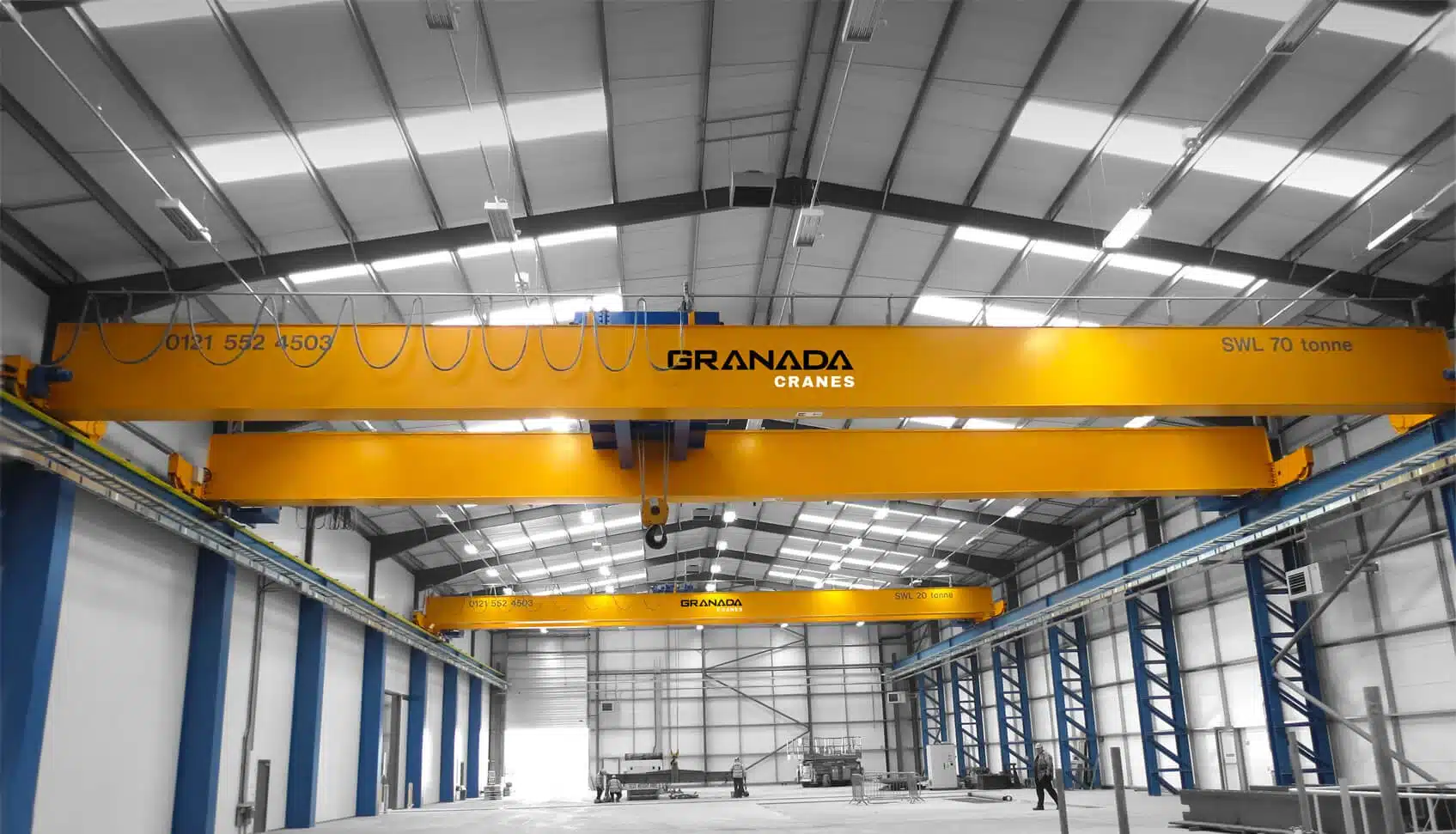
Do Not Let The Equipment Fight The Plant
A conveyor or crane should solve a movement problem without creating new roadblocks. Poor column placement, weak access, unclear controls, and late shutdown planning can make a technically correct system frustrating to own.
IMH reviews the load, route, lift coverage, support structure, equipment access, and installation sequence together so the finished system works in the real facility.
Start With A Buildable Plan
Before budget, downtime, or engineering time is committed, the right project details need to be clear. IMH connects the desired outcome with the field conditions that decide whether the system can be installed cleanly and perform reliably after startup.
That means collecting photos, drawings, measurements, production goals, safety requirements, shutdown limits, and maintenance concerns early. It also means explaining tradeoffs in plain language: what should be engineered now, what can be phased later, what needs structural review, and what information is still missing before a final recommendation is responsible.
Manufacturing Project Inputs
These details help IMH define a practical conveyor, crane, or installation path.
| Input | Why it matters |
|---|---|
| Material handled | Weight, shape, finish, temperature, and center of gravity affect equipment choice. |
| Work area | Fabrication, welding, machining, assembly, paint, storage, and maintenance areas need different movement plans. |
| Movement method | Compares conveyor, crane, vertical lift, floor conveyor, cart, or forklift movement. |
| Building structure | Columns, roof steel, mezzanines, clearances, doors, and utilities shape the route. |
| Equipment access | Protects machine loading, service, forklift movement, and future layout changes. |
| Installation timing | Defines shutdown, phasing, rigging, controls, and startup requirements. |
Strong Fit Applications
Manufacturing and fabrication content routes buyers toward specific system conversations.
Structure Is Part Of Manufacturing Efficiency
Support steel, crane columns, runway locations, conveyor legs, and bracing can either preserve the plant floor or make it harder to work in.
IMH plans support layouts around floor movement, equipment access, installation quality, future expansion, and professional appearance.
The Work IMH Is Built Around
IMH Systems is focused on engineered movement overhead, reliable lifting, and field execution inside real manufacturing plants. Overhead conveyors, bridge cranes, and service or installation work remain the center of that story, while secondary equipment is included only where it helps solve the larger project.
Buyers get practical answers instead of generic product language: what details matter, what decisions affect the installed system, what tradeoffs need review, and when a project is ready for a deeper conversation.
For manufacturing and fabrication projects, that means reviewing movement paths, lift coverage, floor access, support steel, machine access, power, controls, and installation timing before recommending equipment.
The right plan improves throughput and safety while protecting the plant floor from unnecessary obstacles.
Manufacturing-Focused Planning
IMH has documented conveyor, crane, retrofit, installation, and modernization work across manufacturing environments.
That background helps buyers move from a general facility problem to a specific project scope.
Manufacturing material handling should make the plant easier to work in after IMH leaves.
Frequently Asked Questions
What material handling systems fit manufacturing?
Overhead conveyors, bridge cranes, workstation cranes, vertical conveyors, floor conveyors, support steel, and installation services may all fit depending on the work.
Can IMH help choose between conveyor and crane?
Yes. The best choice depends on load, route, frequency, floor access, lift points, and production process.
Why does support steel matter?
Column placement, bracing, and connection style affect floor access, serviceability, appearance, and future changes.
Can IMH work around active equipment?
Yes. Active-plant work requires access review, safety planning, shutdown timing, and field coordination.
What should I send first?
Photos, layout, material details, movement goals, building constraints, and schedule.
Ready To Review Manufacturing Flow?
Send IMH your facility photos, part details, movement goals, building constraints, and target schedule.