
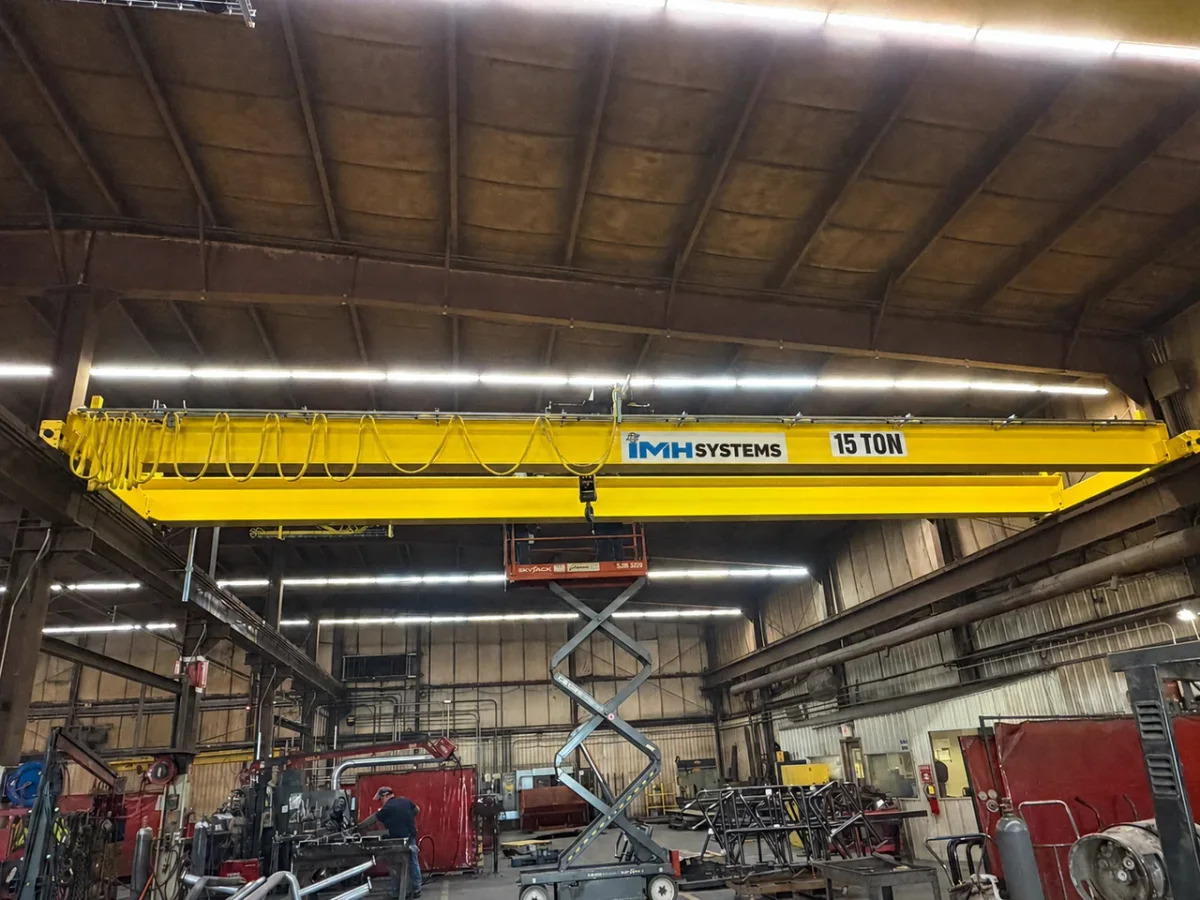
Budget for the complete lifting system.
A useful crane budget includes more than the bridge and hoist. Runways, structure, foundations where required, power, controls, installation access, and agreed testing all influence the scope.
Two cranes with the same rated capacity can have different project costs because their duty, span, building interfaces, and installation conditions differ. A site-specific proposal is more useful than an unsupported price-per-ton rule.
Separate the equipment choices from site conditions.
Capacity, span, lifting height, operating frequency, and control requirements shape the equipment. Existing steel, required clearances, runway condition, and power availability shape the work around it.
- Load and below-the-hook tooling
- Coverage and hook approach
- Operating duty and travel speeds
- Building-supported or freestanding arrangement
- Electrical supply and controls interfaces
Understand the installation window.
A new open building and an operating plant create different access and sequencing constraints. Removal of old equipment, limited lifting access, weekend work, and phased commissioning should be stated before quotes are compared.
Compare proposals on the same basis.
List inclusions, exclusions, engineering responsibility, freight, unloading, electrical connections, inspection, testing, and turnover. Unassigned work does not disappear; it becomes another project interface.
Bring the available dimensions, photos, and production requirements to IMH. Open items can be recorded and resolved during planning.
Turn the questions into a useful brief.
Record what is known, keep open items visible, and bring the application to IMH.
Start guided selection